
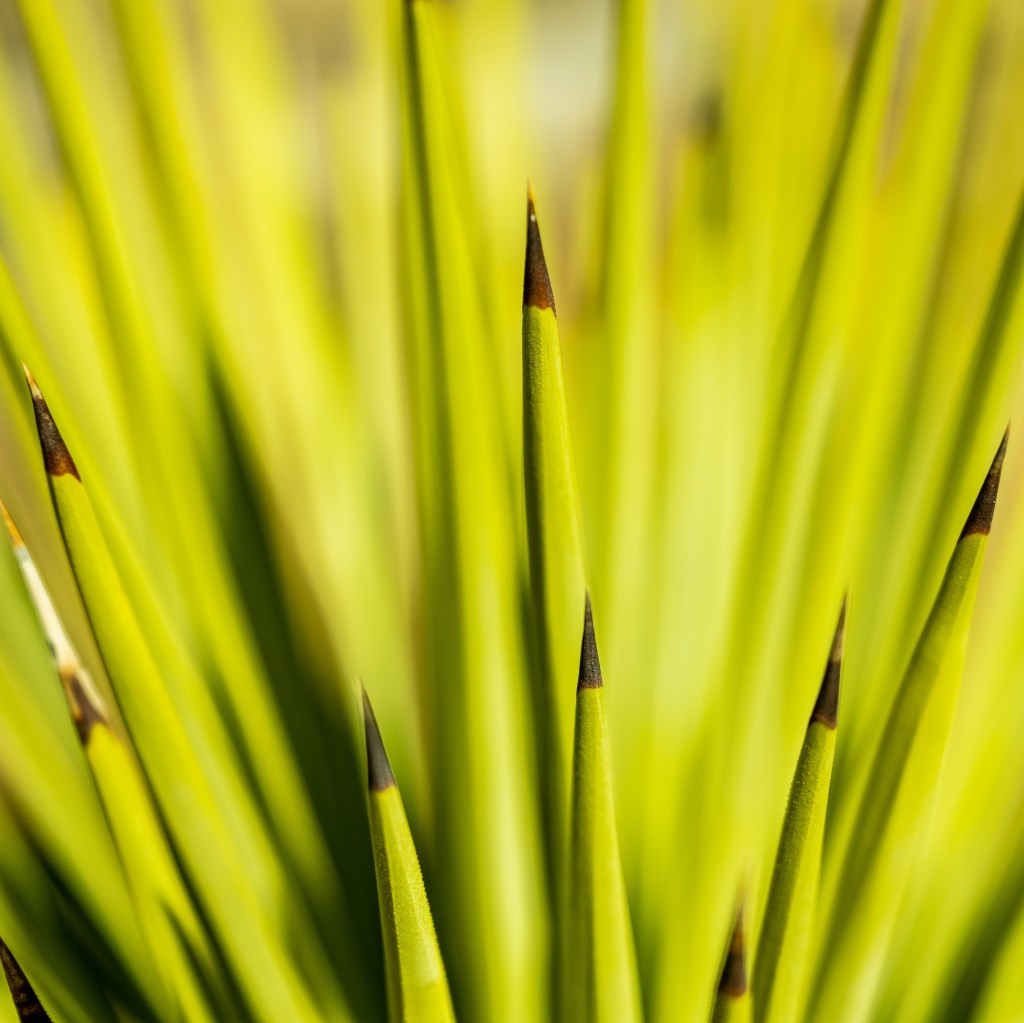

You may have seen pictures of the iconic Joshua trees in magazines and movies, but do you know any facts about them? These fascinating plants are actually not trees at all, but rather a type of yucca. Here are some other interesting facts about Joshua trees:
-Joshua trees only grow in certain parts of the world, including the Mojave Desert in California.
-The tallest Joshua tree ever recorded was over 40 feet tall!
-Joshua trees can live for hundreds of years – the oldest one known was around 1,500 years old.
-These hardy plants can survive even in very dry conditions.
So next time you see a picture of a Joshua tree, you’ll know a little bit more about this unique plant.
Joshua trees are actually a member of the lily family!
Who would’ve known that Joshua trees are related to lilies? One has to wonder how this strange-looking plant is even part of the same family, but botanists assure us that it is! While the two plants look drastically different, they share a lot of similarities as members of the lily family. Joshua trees have distinctively flared branches and provide any habitat for nearly 50 species of birds. Lilies on the other hand have lovely petals and can be found in nearly every corner of the world. Given their genetic relation, you can understand why these two plants have gained so much both culturally and environmentally over time.
They can live to be hundreds of years old – the oldest recorded tree was over 500 years old.
Trees completely astound me with their longevity. I mean, most of us barely live to see 100 years let alone 500! When I think about the oldest recorded tree – at a staggering age of over 500 years – it just makes me wonder what secrets they must have to stay so incredibly resilient and well preserved. It’s almost as if they have an ageless spirit that allows them to thrive even when generations come and go. Who knows what kind of conversations these trees have heard, or how much wisdom they could impart if we only took the time to listen.
Joshua trees are found exclusively in the Mojave Desert
Joshua trees are an iconic and unmistakable part of the Mojave Desert landscape. Growing nowhere else, this wild and resilient fan palm is one of my favorite landmarks, especially at night. It’s like having a constellation all to yourself! They act as a geographical marker while navigating the landscape, they provide shelter for wildlife, and they offer us the chance to marvel in their unique beauty. Taking a walk out in the desert on a moonlit night always has me appreciating the Joshua tree just a little bit more!
They get their name from the Mormon settlers who thought they looked like Biblical Joshua reaching his arms out to heaven
Have you ever heard of the Joshua tree? An incredibly funky and fast growing succulent, it’s actually not a tree at all. It gets its name from the isolated Mormon settlers who thought that these desert plants resembled the figure of Biblical Joshua with his arms reaching up to heaven. But don’t be fooled by its slow-moving appearance–the Joshua tree can reach heights of over forty feet in under three decades! While this speedy growth is all thanks to those hearty desert roots, you could say the unique name (and fame) was gifted to them by those earliest travelers and dreamers.
The bark, leaves, and flowers of Joshua trees are all used for different medicinal purposes
Joshua trees might look like they come out of a Dr. Seuss book, but they’re actually very useful in the medicinal world! It turns out that their bark, leaves and flowers all have different medicinal purposes – from treating joint pain to helping with digestive issues. I know it doesn’t seem likely for an odd looking desert tree to be so powerful, but believe me – Joshua trees deserve their Dr. Seuss-esque reputation for more than just looks.


